 Amit
Amit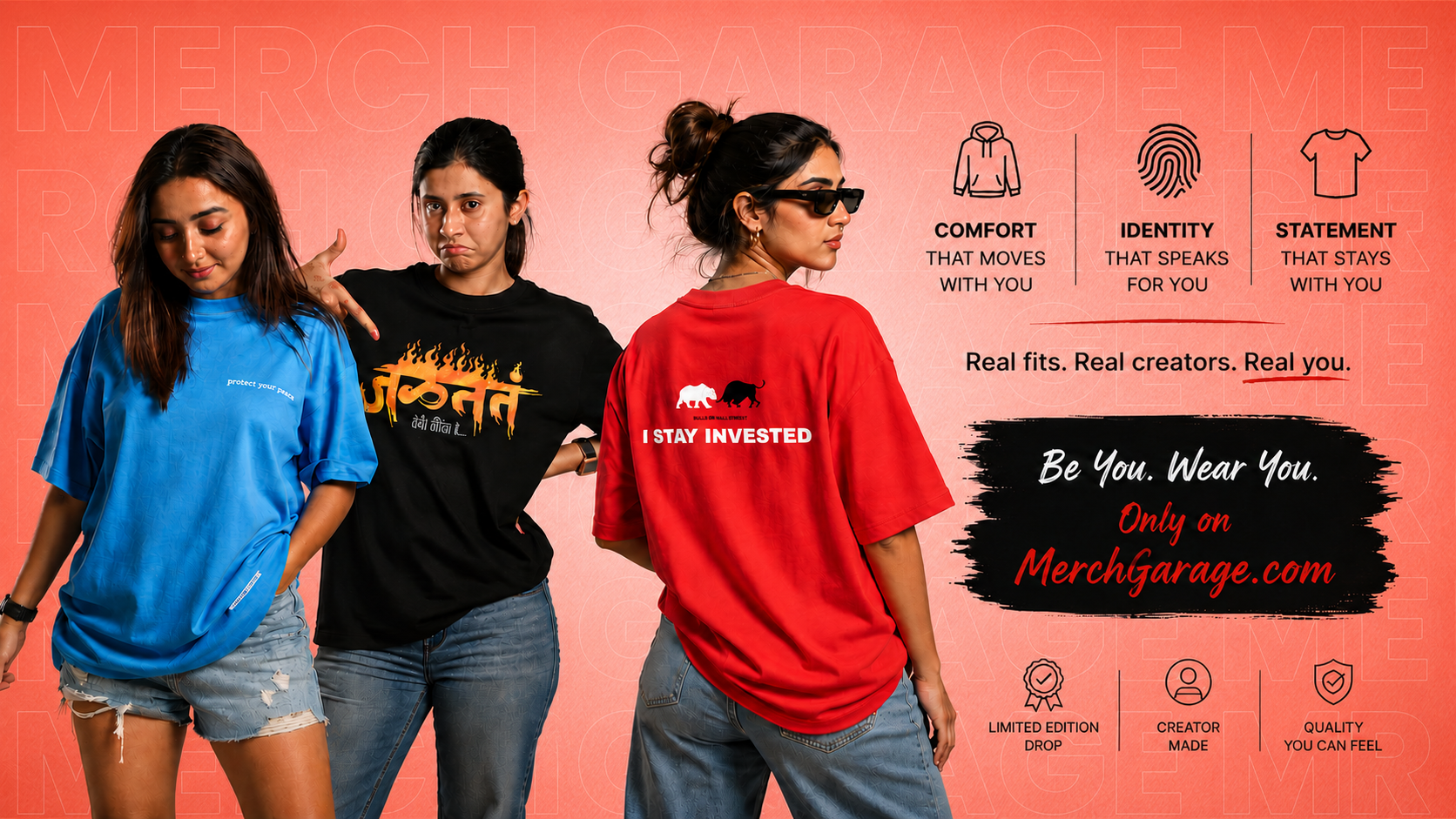
Gen Z didn’t kill fast fashion out of principle. They killed it because it didn’t work for them. Too restrictive. Too temporary. Too disconnected from who they actually are.
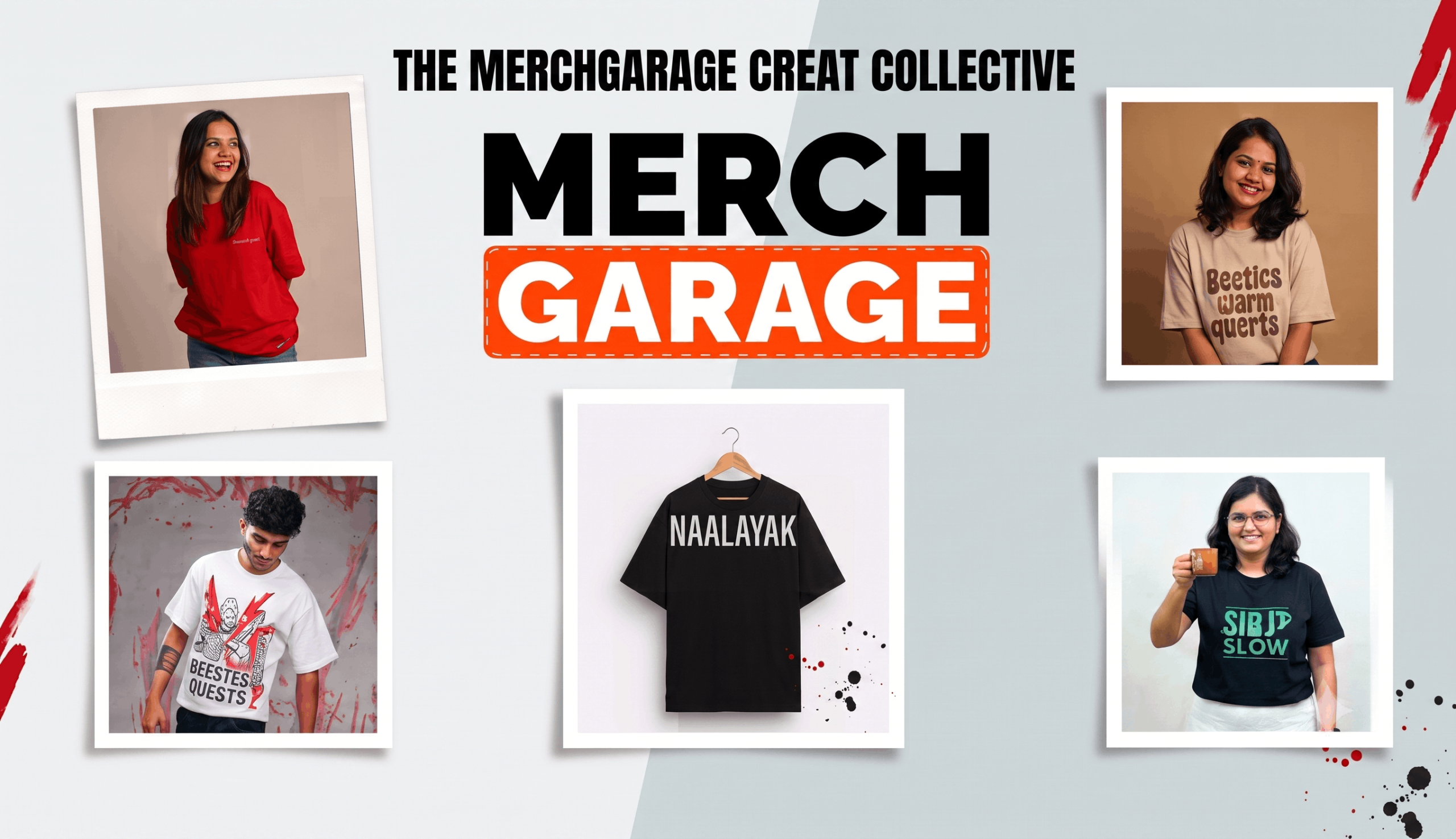
If you want to understand what’s actually happening in fashion right now, stop looking at runway shows and start looking at MerchGarage. That’s where real Gen Z fashion preferences are actually reflected.
Comfort Isn’t Lazy. It’s Honest.
Millennials fought for comfortable fashion, but Gen Z took it a step further. They stopped apologizing for it.
Walk into any room full of Gen Z people and you’ll see oversized everything, comfortable fits, clothes that actually move with your body instead of against it. This isn’t because they don’t care about fashion. It’s because they finally decided fashion should work for them, not the other way around.
The old formula was: suffer for style. Suck in your stomach. Wear heels that hurt. Squeeze into jeans that restrict your movement. Fashion was supposed to transform you into something “better.”
Gen Z said no to that. They want to look good while being able to actually live. That’s not a compromise. That’s a boundary.
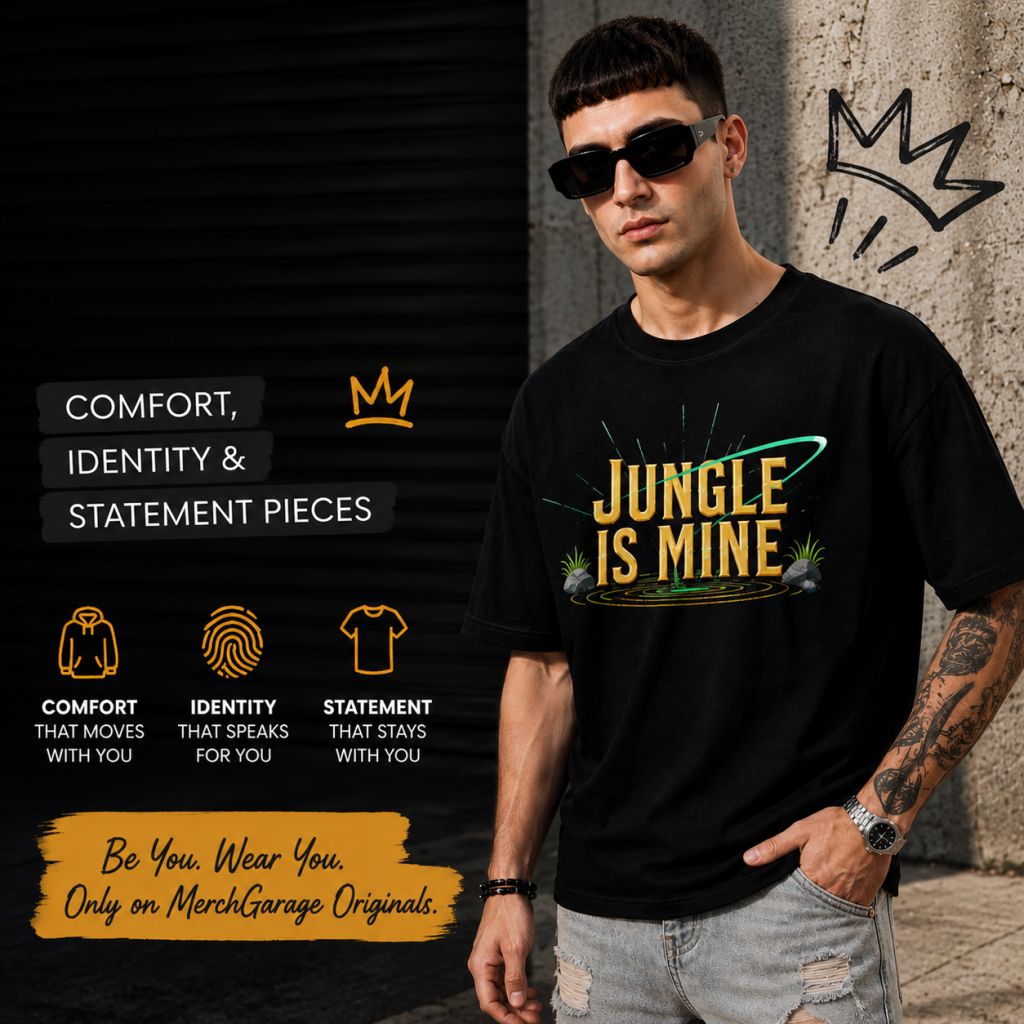
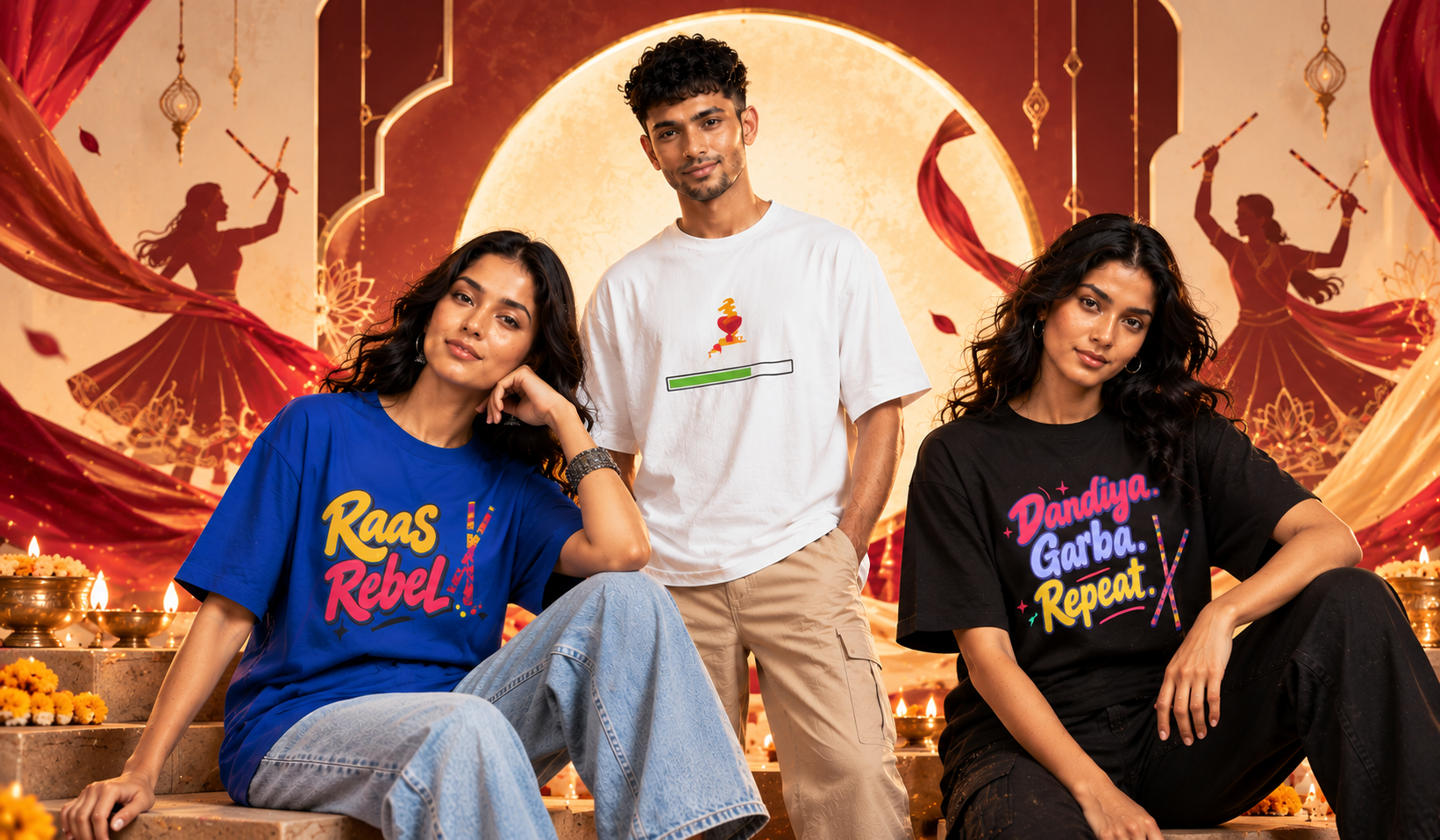
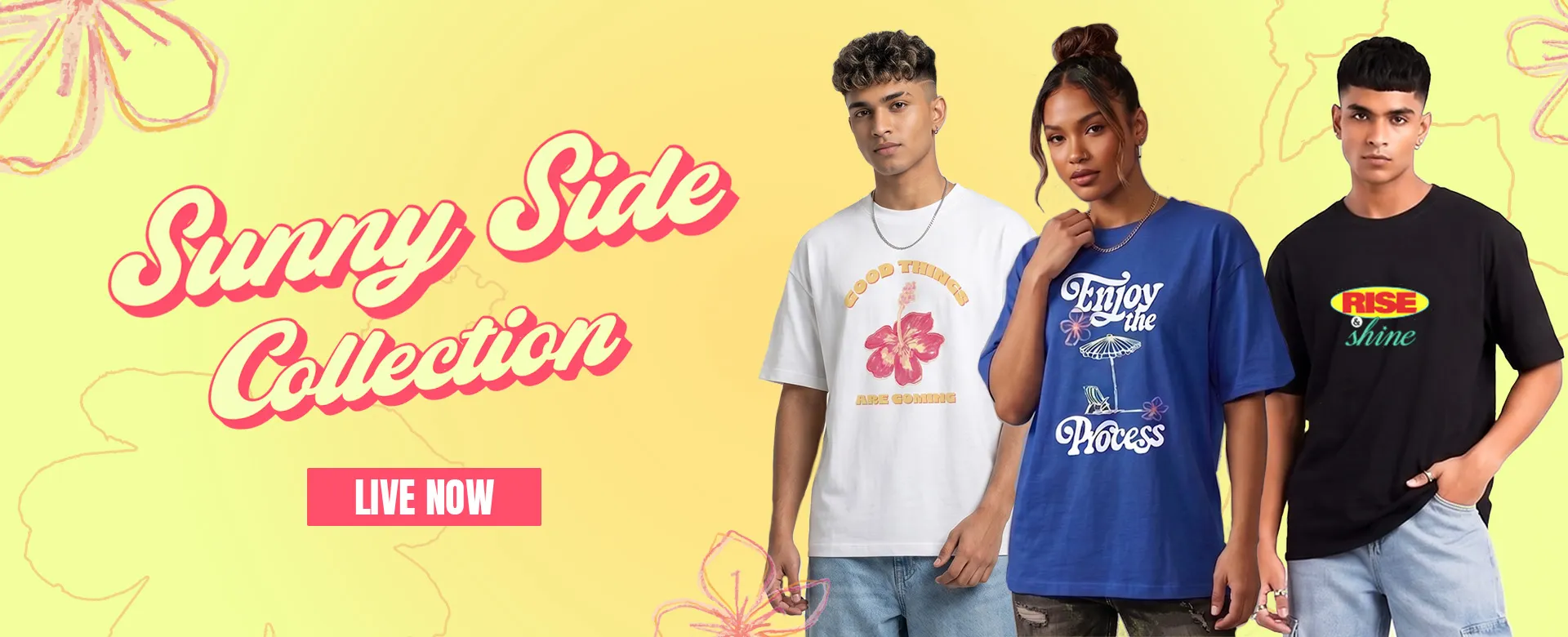
This is why oversized tees from creators on MerchGarage became such a big thing. They solved a real problem: how do you express yourself without sacrificing comfort? The answer was oversized silhouettes with intentional designs.
Identity Is the New Status Symbol
Gen Z doesn’t want to show off wealth. They want to show off who they are.
This is the fundamental shift. While older generations used fashion to signal class or affluence, Gen Z uses fashion to signal identity, values, and community affiliation.
When someone wears @mostlysane‘s merch, they’re not saying “I’m rich.” They’re saying “I like this creator’s humor and I’m part of this community.” When someone wears @kokanheartedgirl, they’re saying “I care about cultural representation and regional pride.”
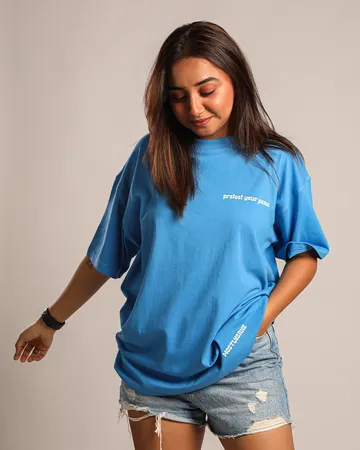

That matters more to Gen Z than a luxury brand logo ever could. A Balenciaga tee might signal wealth. A creator merch tee signals belonging. Belonging is currency now.
This is why personal branding through merch has exploded. It’s not vanity. It’s the only way Gen Z knows how to communicate identity. Fashion became their native language.
Statement Pieces Don’t Have to Be Loud
Gen Z also did something interesting: they made statement pieces that don’t scream for attention.
A statement piece used to mean something bold and obvious. Something that made you the center of attention. Gen Z’s statement pieces are subtler. They’re for the people who get it, not for everyone in the room.
A graphic tee with an inside joke. A limited-edition drop that only your community knows about. An oversized fit that says you’re comfortable in yourself. These are statement pieces, but they’re quiet. They don’t need everyone’s validation.
@ca_rachanaranade does this well. Her merch makes statements about financial literacy and education—important things—but in a way that feels personal and understated. It’s not preachy. It’s just honest.
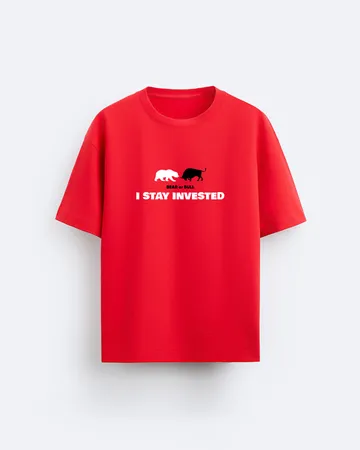
This reflects something real about Gen Z: they want to express themselves, but they’re not desperate for approval. They’ll make a statement, but only for the people who matter.